The VitalJet · Treatment Education
Cupping
Therapy
Learn how cupping therapy works, what happens locally in your body, the sensations you may experience, and important safety considerations.
01 · How it works
What Is Cupping
Therapy
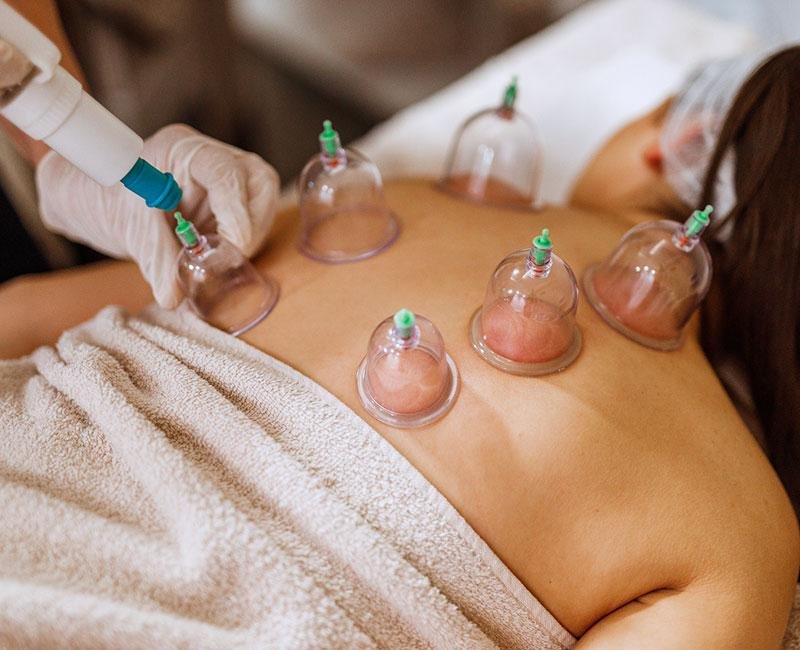
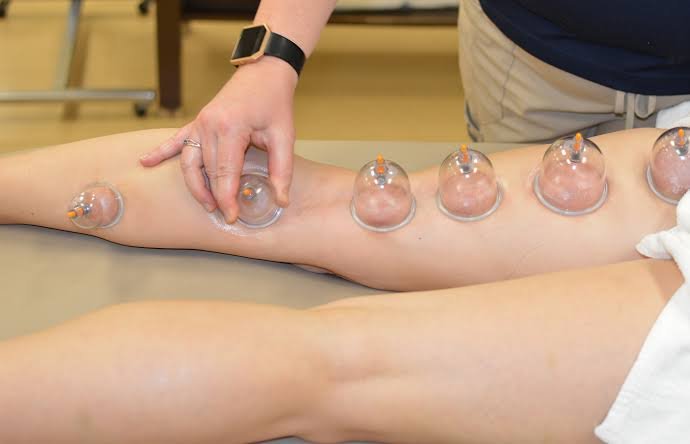
Cupping therapy creates negative pressure or a vacuum effect when cups are placed on the skin. Instead of pushing down like a traditional massage, the suction gently lifts the skin, fascia, and top layer of muscle tissue upward.
02 · Local response
What Happens Locally in Your
Body
Explore the local changes described in cupping therapy and how the body may respond
to the suction.
Breaks Tiny Blood Vessels
The vacuum force stretches and expands small blood vessels (capillaries) beneath the skin, causing them to rupture.
Cleveland Clinic
Leaves Bruises (Discoloration)
Broken capillaries leak a small amount of blood into the surrounding tissue, which creates the signature circular, red, purple, or dark pink marks. These marks are harmless and typically fade within a week to 10 days.
WebMD +3
Increases Blood Flow
The body responds to the suction and local trauma by rushing fresh, oxygen-rich blood and cellular repair components to the treated area.
Cleveland Clinic
Lifts Myofascial Tissue
The "negative compression" creates temporary space between the layers of muscle and connective tissue (fascia), which can reduce muscle tightness, stiffness, and local guarding.
Watch the video ↗
03 · Potential effects
Potential Effects and Sensations
Two experiences described in the supplied content, with a separate note about wet cupping.
Pain Relief and Reduced Sensitivity
Many people experience a temporary decrease in musculoskeletal pain, particularly in the back, neck, and shoulders.
Relaxation
The sensation is often described as a deep pulling or warmth, which can help relax tense muscles and calm the nervous system.
Wet Cupping Differences
If wet cupping is performed—where a practitioner makes tiny superficial cuts before applying the second round of suction—small amounts of blood and interstitial fluid are drawn out. This method is thought by some traditions to trigger a local immune or inflammatory response, though scientific evidence supporting systemic "detoxification" is limited.
National Institutes of Health (NIH) +3
04 · Important information
Safety and Risks
Understand possible side effects, infection considerations, and who should seek professional advice before considering cupping therapy.
Side Effects
Temporary bruising, skin tenderness, mild soreness, or blistering can occur.
Infections
Wet cupping breaks the skin barrier, carrying a risk of local skin infection if not performed under sterile conditions.
Who Should Avoid It
Cupping is generally not recommended for people with bleeding or clotting disorders, active skin conditions, open wounds, cancer, or for those taking blood thinners.
Learn more about general safety considerations via Cleveland Clinic's Cupping Therapy Guide.